
Tapioca
Tapicoa’s uses, benefits and applications in food products
Tapioca is a starch extracted from cassava root and widely used in food manufacturing as a thickener, stabilizer and texturant. Because it has a neutral flavor and strong functional performance, tapioca is commonly used in gluten-free baking, dairy alternatives, sauces, soups and beverages.
From improving texture in dairy alternatives to adding stability in gluten-free baked goods, tapioca delivers a variety of benefits, including clean-label appeal, enhanced mouthfeel and excellent shelf-life stability.
Sustainably sourced and carefully processed, Ingredion’s tapioca ingredients meet the highest standards of quality. Whether you’re seeking to reformulate for cost savings or address consumer preferences for cleaner ingredient labels and improved eating experiences, our tapioca solutions help you maintain premium product performance while meeting your business goals.
At a glance
- Tapioca is a starch extracted from cassava root, widely used in food and beverage formulations for texture, stability and clean-label appeal
- It is naturally gluten-free, non-GMO, vegan, kosher and halal, making it suitable for many dietary needs
- Food manufacturers use tapioca to improve mouthfeel, thicken products, stabilize formulations and support gluten-free baking
- Tapioca ingredients can appear in pearls, flours, starches and syrups, each serving different functional roles in formulations
- Because of its neutral flavor and strong temperature stability, tapioca works well in applications like soups, sauces, dairy alternatives, desserts and beverages
- Consumer demand for clean-label and gluten-free products is driving increased use of tapioca in food innovation
What is tapioca?
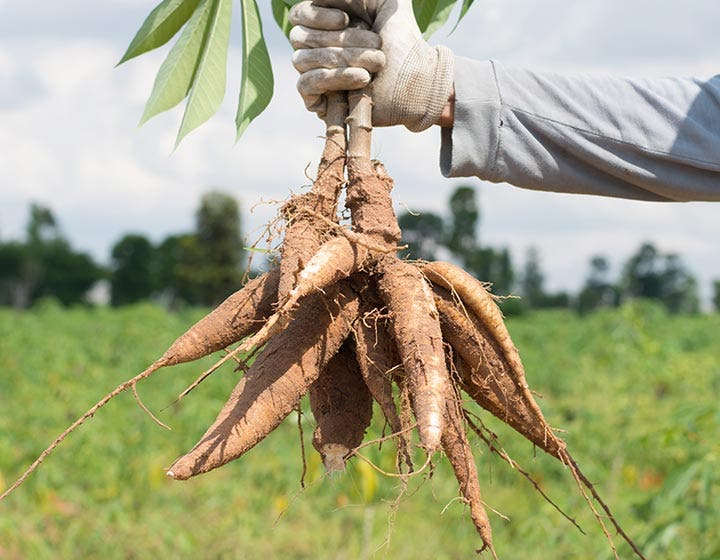
Native to South America, tapioca is derived from cassava root and used as a starch. There's no tapioca plant; instead, it's the name given to the starch extracted from the root of a cassava plant, which is widely grown in Brazil. The plant is extremely drought resistant, making it a vital crop in global food security.
Tapioca is a staple food throughout much of Africa and an important ingredient in food products worldwide. Although it has limited nutritional value on its own, it is calorie-dense, naturally gluten-free and valued for its versatility. It can be used as a wheat substitute in gluten-free baking and as a thickening agent in a variety of formulations.
In addition to meeting gluten-free standards, tapioca also meets standards for kosher, halal and vegan diets. Plus, it's non-GMO, making it an excellent ingredient to use to meet many label requirements. Tapioca can also be manufactured into a variety of textures, such as pearls, flakes or flours.
What is tapioca used for?
There are many uses for tapioca. It is an excellent texturant with a neutral flavor profile, allowing it to be used in both sweet and savory formulations.
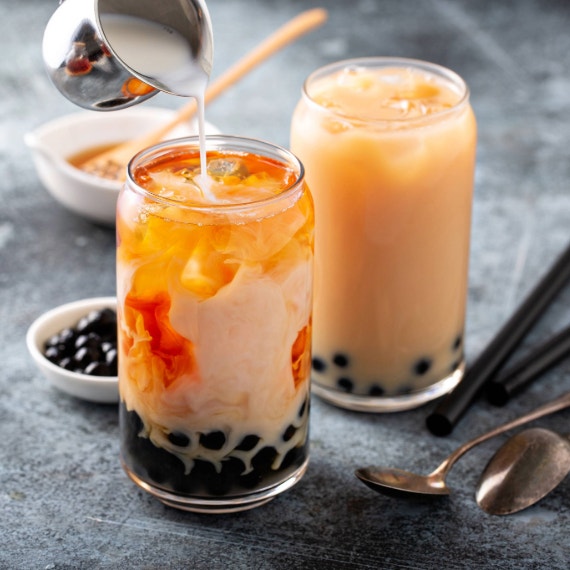
In its pearl form, tapioca is commonly used in sweet treats like bubble tea (also called boba milk tea) and tapioca pudding. Both are cold, creamy desserts with chewy tapioca pearls as the star ingredient.
In its flour form, tapioca can be used as a thickening agent in soups, stews, pies, and other hot formulations. It's also popular in gluten-free baking. Pão de queijo is a Brazilian cheese bread using tapioca, which has gained popularity alongside gluten-free diets. But it's also used as a gluten-free substitute in all kinds of baked goods, either alone or mixed in with other gluten-free ingredients such as coconut flour.
Tapioca syrup is another product derived from tapioca and is a healthier alternative to corn syrup. It has no added color and can be used as a binding agent as well as a sweetener.
Finally, tapioca is frequently used as a binding agent in a range of food products to give thickness and volume without affecting taste. Swap out modified starch for a high-performing tapioca alternative that leaves a pleasant mouthfeel without impacting flavor.
How is tapioca made?
Tapioca is made from cassava root and is extracted in different ways depending on the final end product. To create the starch form, raw cassava root is peeled and grated. Those grated shavings are then soaked in water to create a pulp. It's then dried and used as either a starch thickener or as a flour. To make tapioca pearls, the wet pulp is formed into a dough that is then processed into small spheres.
Tapioca formulations
There are a number of tapioca products to choose from depending on your intended formulations. Ingredion offers products to address many uses for tapioca. N-Dulge C1, for instance, is a co-texturizer used to create rich creaminess in dairy formulations. You'll notice an enhanced mouth-coating texture that gives your product slightly more flow and smoothness than you could achieve without the addition of tapioca.
Another option is National Frigex, which is designed to maintain its stability under a range of storage conditions, including low temperatures, heat and acidity.
Versatile applications across the food industry
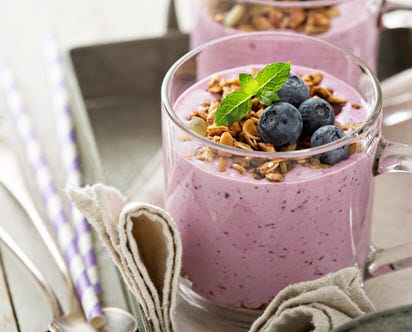
Whether enhancing texture, improving stability or supporting gluten-free formulations, tapioca plays an important role in a wide range of food and beverage applications, including:
- Soups
- Sauces
- Dressing
- Dairy desserts
- Dairy drinks
- Yogurt
- Fruit preparations
- Baby food
What do consumers think of tapioca?
As consumers increasingly seek products made with familiar, natural ingredients, tapioca aligns well with evolving purchasing preferences. While many consumers may not recognize tapioca as readily as other ingredients, its natural origin and clean label appeal can contribute positively to ingredient perceptions.
Consumer demand for natural ingredients continues to grow. In Ingredion's ATLAS consumer research, 71% of consumers said they are willing to pay more for products made with natural ingredients, and 30% said they would pay at least 20% more.¹ For manufacturers, ingredients like tapioca can help meet these expectations while supporting clean, consumer-friendly labels.
Food and beverage manufacturers looking to differentiate their products may find value in incorporating tapioca starch as part of a broader clean label strategy.
Benefits of tapioca
Temperature stability: Tapioca is extremely stable at any temperature, including vacillating between multiple temperatures. Even if your product goes back and forth from freezing and thawing during the distribution process, tapioca maintains its proper consistency and moisture levels.
Gluten-free and keto friendly: Tapioca can be used in just about any diet-friendly formulation. It is naturally gluten- and grain-free. Additionally, soluble tapioca starch can also be used in ketogenic food products.
High in fiber: The resistant starch present in tapioca is high in fiber, which is a great attribute for health-conscious consumers. According to the Mayo Clinic, fiber has a number of benefits, including normalizing bowel movements, lowering cholesterol levels and stabilizing blood sugar levels.
Rich in B-vitamins: Tapioca also contains B vitamins like folate (also known as vitamin B-9), which is frequently recommended as a supplement before and during pregnancy. There is also evidence showing that folate may reduce the risk of diseases such as cancer, heart disease and dementia.
Boosts bone density: A final health benefit of tapioca is the potential for it to contribute to better bone density. The reason is because of the presence of vitamin K, iron and calcium.
Why manufacturers choose tapioca starch
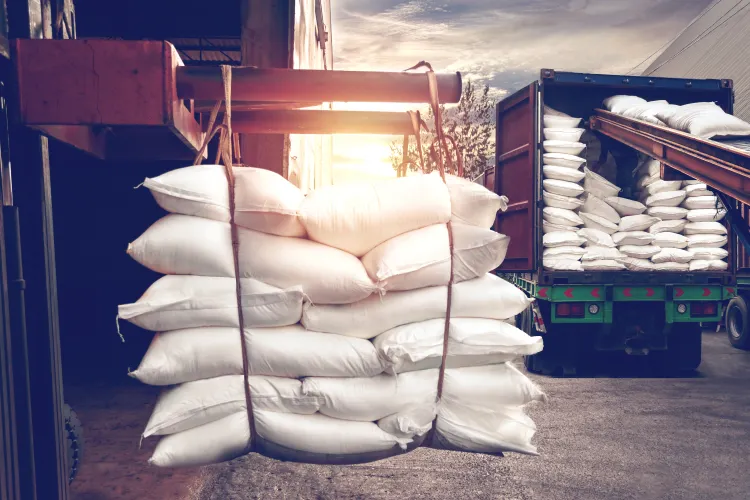
Food developers use tapioca starch when they need:
- Clean-label thickening alternatives
- Gluten-free formulation support
- Freeze-thaw stability in sauces or desserts
- Creamy mouthfeel in dairy alternatives
- Neutral-tasting binding agents
Discover the versatility of tapioca


FAQ
What is tapioca?
Tapioca is a starch extracted from the cassava root. It is widely used in food and beverage manufacturing as a thickener, texturant and gluten-free ingredient due to its neutral flavor and functional stability.
What is tapioca made from?
Tapioca is made from cassava root, a drought-resistant crop native to South America. The starch is extracted from the root through washing, grating and drying processes before being turned into flour, pearls or other tapioca ingredients.
What is tapioca used for?
Tapioca is used to improve texture, stability, and mouthfeel in a wide range of food and beverage products. Common applications include soups, sauces, dairy alternatives, gluten-free baked goods, desserts, fruit preparations, beverages and baby food.
Is tapioca gluten-free?
Yes. Tapioca is naturally gluten-free because it is derived from cassava root rather than grains like wheat, barley or rye. This makes it a popular ingredient in gluten-free baking and formulations.
What forms of tapioca are used in food production?
Tapioca is available in several forms, including tapioca starch, flour, pearls, flakes and syrup. Each format provides different functional benefits such as thickening, binding, sweetening or improving texture.
Is tapioca safe to eat?
Yes. Tapioca is safe to eat when cassava is properly processed. Reputable manufacturers remove naturally occurring compounds in raw cassava during processing to ensure the final ingredient is safe for consumption.
Is tapioca the same as cassava?
No. Cassava is the root vegetable, while tapioca refers specifically to the starch extracted from cassava root. The starch can then be processed into different forms such as flour, pearls, flakes or syrup for use in food products.
Ready to boost your brand's label appeal with tapioca?
Get in touch with Ingredion and explore our line of versatile tapioca products today
Source:
¹ ATLAS Ingredion proprietary consumer research, 2025.